
Become a supporter
I'd planned a trip up through the Forest via St Briavels Castle and over to Gloucester, but when a colleague told me about "famous" native daffoldils near Gloucester I decided to try to make this the focus of my trip. I had all the luck, with the weather and the daffs being at their prime.
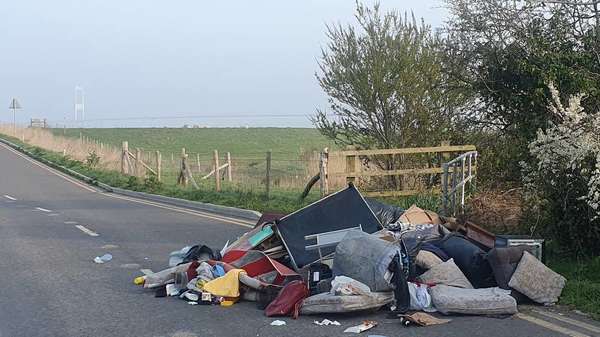
Starting out at Severn Beach one of my first views of the old Severn Bridge was the familiar sight of casual fly-tipping.
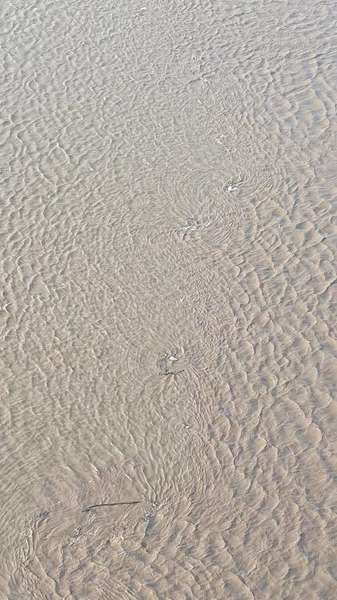
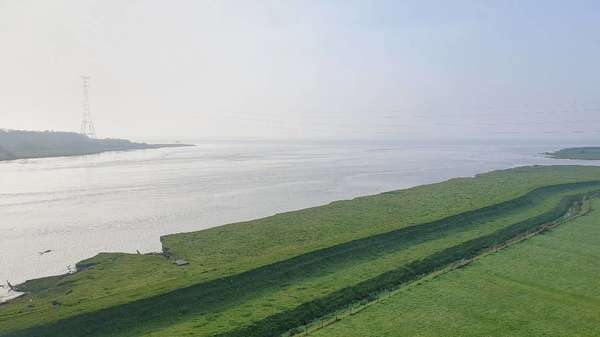
The Severn itself, from the bridge, was a hazy and mysterious giant, with blood of brown sand.
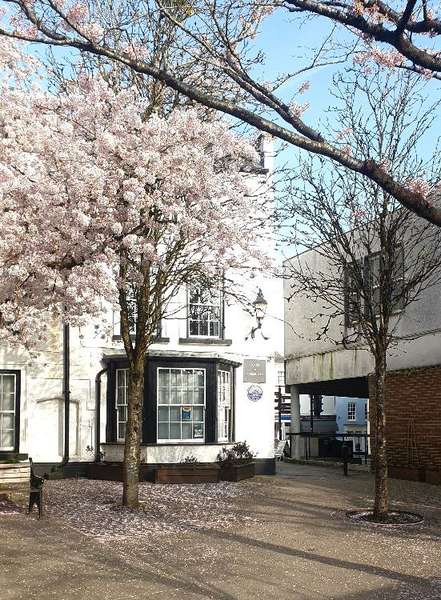
At Chepstow the blossom in the Place de Cormeilles was full. Apparently Chepstow's roots go back to 1067 when the priory church of St Mary was founded by William fitzOsbern, originally of Cormeilles in Normandy.
Just before 9, when I posted some cards, I shed some layers in anticipation of the coming hills, though the air was still cold despite the warm sun.
No seals spotted in the Wye today, though the bridge at Castleford was peaceful, being closed to cars at the moment, not sure why?
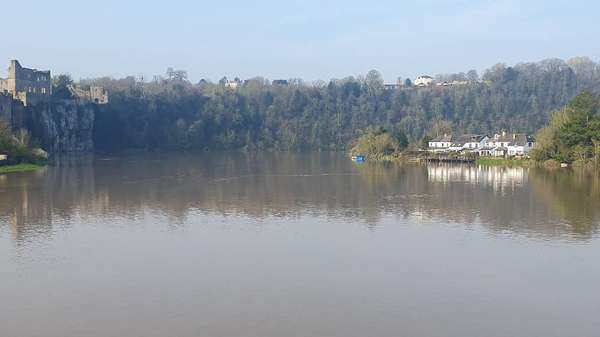
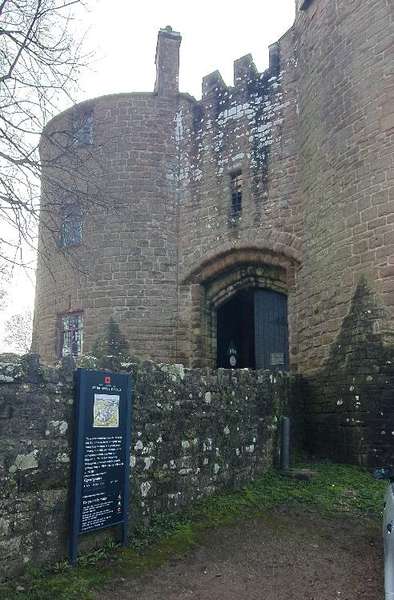
Made a stop at St Briavel in the friendly community cafe after a quick visit to the historic castle, once the main manufactoring centre for crossbow bolts and longbow arrows, I'm told. Now it's a Youth Hostel and looks like a fun place to stay.
Then north on Route 42 through the Forest, past the thriving mountain biking centre at Cannop, then turning east before Ross-on-Wye for a lunch stop at Lea. Their village shop offered a range of tasty hot pastries, enjoyed on a sunny bench, followed by a cat nap.
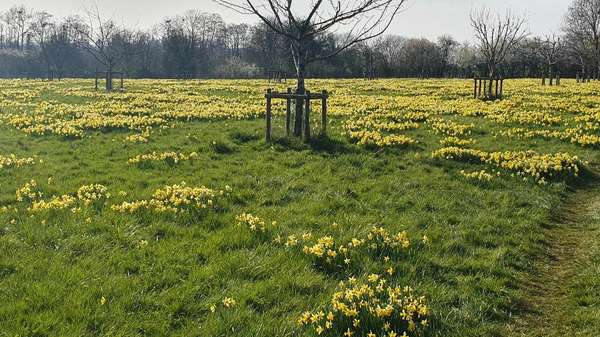
Thoroughly warmed and refreshed, the next stop was the daffodil epicentre of Dymock, in the so-called "Golden Triangle" where the small native varieties are being preserved and "daffodil weekends" with teas and stalls are laid on in the villages of Dymock, Oxenhall and Kempsey in turn over 3 weekends in March.
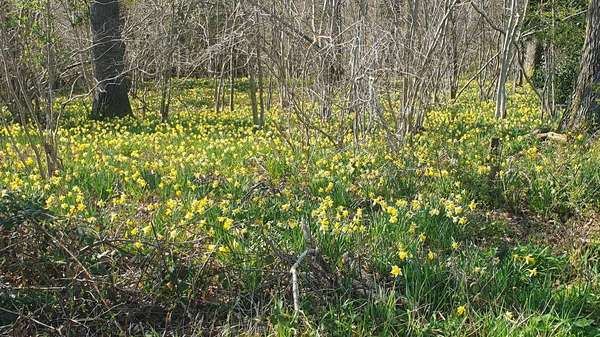
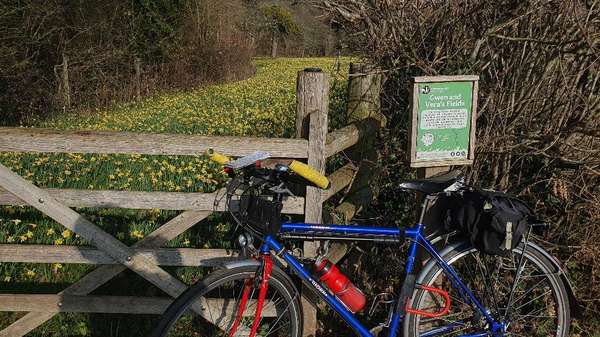
After tea and a scone I had a tour of the lanes to see the Vell Mill Meadow, Gwen and Vera's fields and a glorious spread of yellow in the woods along the route back south to the NCL route to Newent.
A final climb up to Hartpury:
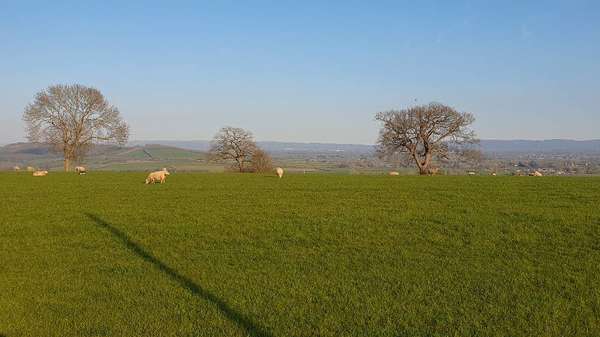
and then following Route 45 across a much smaller Severn at Maisemore:
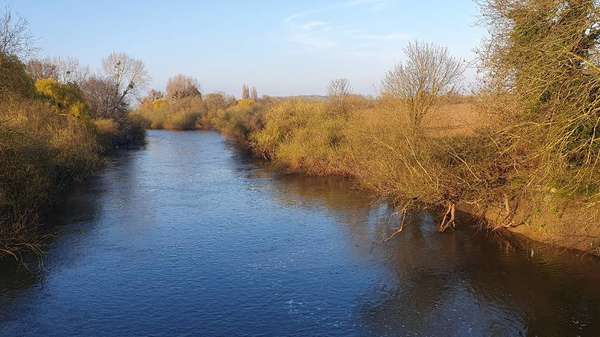
and along the scenic route along the water into Gloucester for a train home.
My 5 day tour in Normandy (Orne and Calvados) is now done. Some stats, including the initial day from Romsey to Portsmouth:
Drizzly start, but sunny intervals throughout the day.
Three short climbs en route to Bayeux.
With only 66km to cover today and arrival at the ferry port not due until 22:30, I'd planned to spend a few hours in Bayeux. First the tapestry (actually an embroidery). As anyone who visits it next year in the British Museum will see, it's an exciting and revealing storyboard, depicting the Norman conquest of England nearly 1,000 years ago.
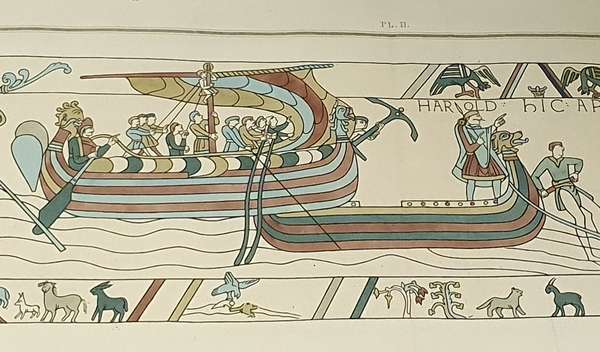
The story is told from the perspective of William and his brother, the Bishop of Bayeux. We see Edward pledge to pass the throne to William "the bastard" and then we see Harold renege on that promise , claiming the crown for himself. We're shown the construction of a fleet of boats and the Norman superiority and bloody triumph at the place now known as "Battle", near Hastings.
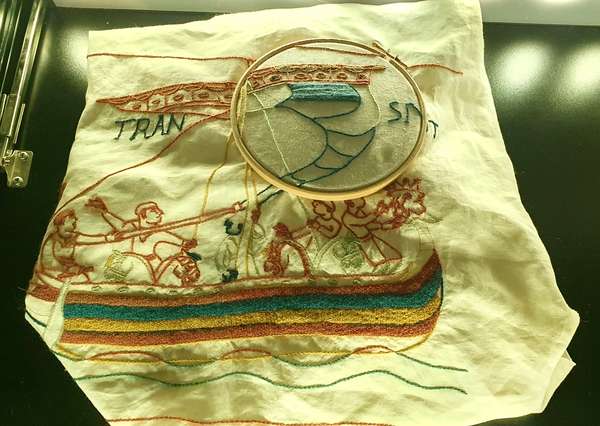
I read a little about the various theories as to where the tapestry was made: Canterbury, Wilton, Winchester or even here in Bayeux. Also that the colours (surely much brighter a millennium ago) come from dyes derived from 3 plants: woad (le pantel), madder (la garance) and weld (la gaude). All new to me.
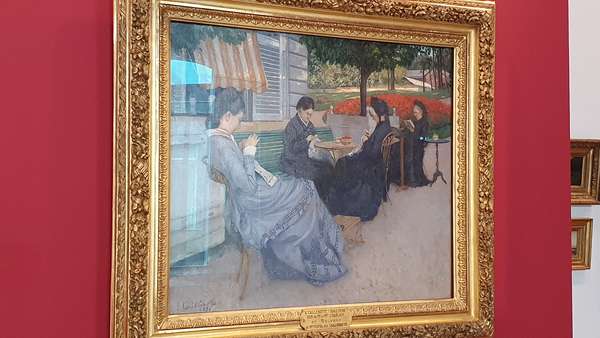
Next stop the Musée d'Art et d'Histoire Baron Gérard (MAHB) located in an ancient former episcopal palace. Amongst their paintings I was particularly struck by the work of Gustave Caillebotte.
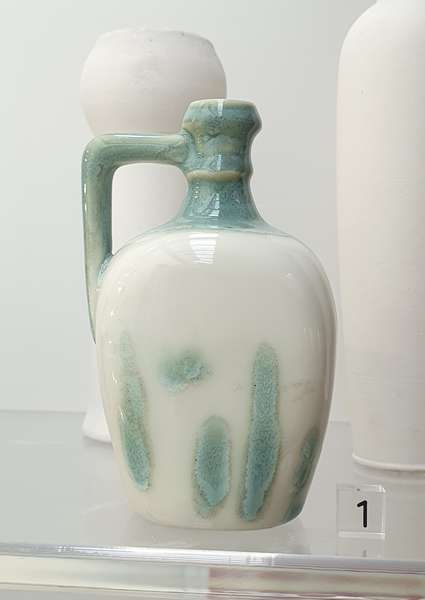
The Michelin guide leads with their collection of porcelain. Most of it was not at all to my taste, but I did spot this jug.
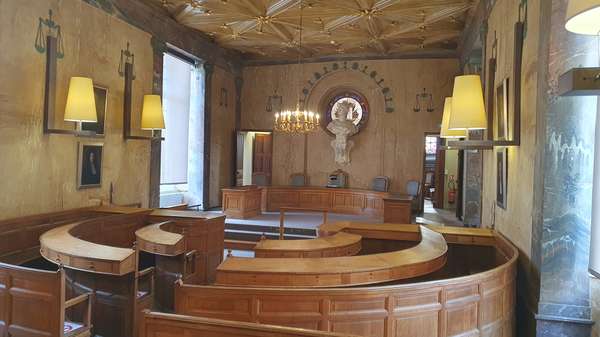
For me the most unexpected and interesting exhibit was the perfectly preserved episcopal courtroom. A beautifully proportioned chamber of finely crafted wood and marble.
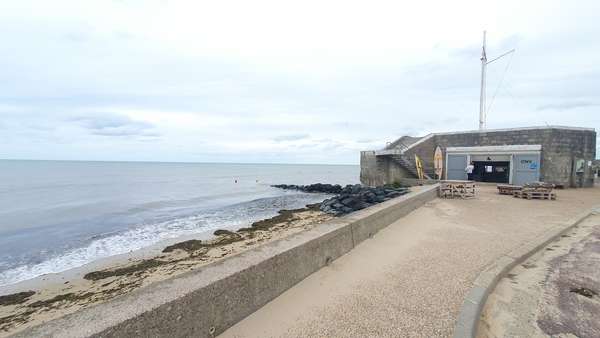
After lunch I found the coast about 12km north east at Asnelles.
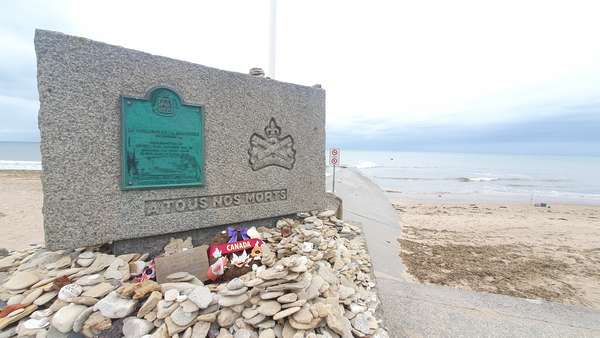
Round to Courseulles and a succession of small towns and commemorations of the Normandy Landings on June 6th, 1944 on the beaches codenamed "Gold", "Juno" and "Sword".
A long teabreak at a bar/tabac at Lion-sur-Mer turned out to be an entertaining stop. The bar is situated well back from the shore and the expensive establishments, right across from the large church. As 6 o'clock approached the bell ringing started up and the clientele had to raise their voices to shouts to be heard. By this time the terrace had filled up with locals, some in work wear returning from their sites (yes on a Saturday), others with dogs or spouses. Each new arrival doled out handshakes and kisses to a good portion of those present. I left at 7pm and apéro hour was going strong.
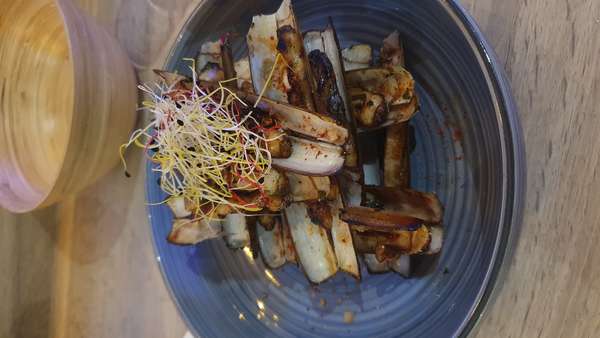
A slow meander along the shore still busy with swimmers, children and cyclists. Round to Ouistreham where I lingered over oysters and razor clams until time to board the ferry.
Excellent treatment at the port: cyclists boarded the ferry 10 mins before the first motor vehicles.
Last night I had the good luck to dodge the showers cycling in to Vire and back for supper. Rather than embrace the andouillette-- the local speciality sausage made from intestines - - I perhaps lamely opted out, and instead had a huge couscous au mouton. The Moroccan restaurant was efficiently run by one man, who engaged all the clientele in lively conversation whilst rapidly preparing and serving their meals. All his wines are from Maroc, "toujours ! "
Plenty of rain in the night, but turning light at dawn. I must have ridden through 10 showers today, but none heavy or prolonged. A fair amount of stopping to don or remove the cagoule.
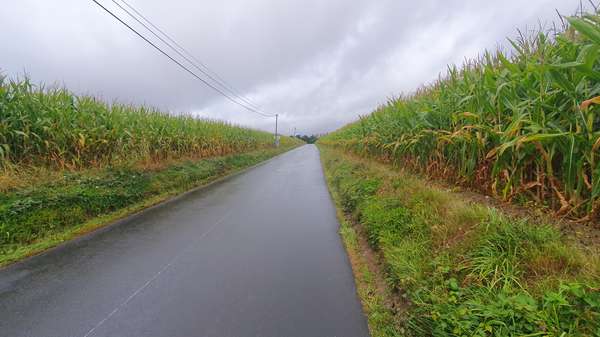
The day started with a warming climb out of Vire and then through Coulonces and luminous green fields of corn.
Croissants and tea at Pont Farcy and then groceries and quiche Lorraine at Tessy sur Vire. A good climb up to Les Roches de Ham.
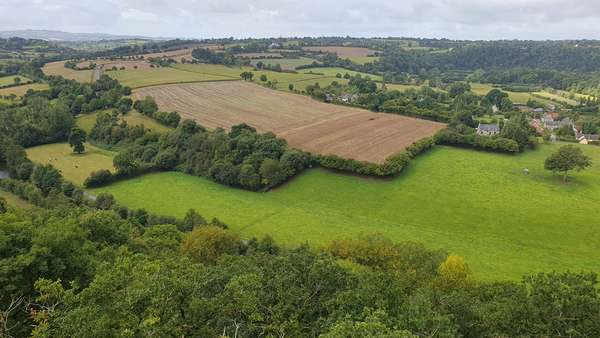
And then easy and varied paths along the pretty Vire all the way in to St Lô. Here, the municipal museum is a real treasure, "worth a detour" in my book.
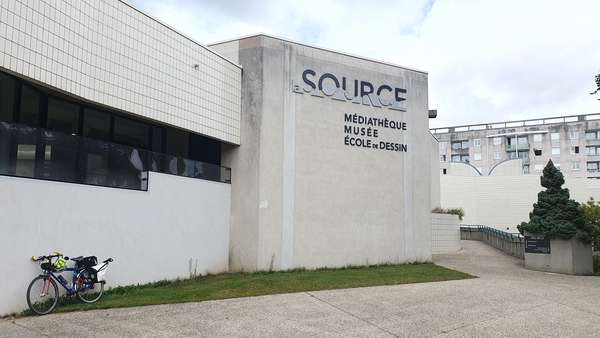
St Lô was devastated in WW2, called "The Capital of Ruins" by Samuel Beckett, who wrote a poem about the city and worked a volunteer in its Irish Hospital.
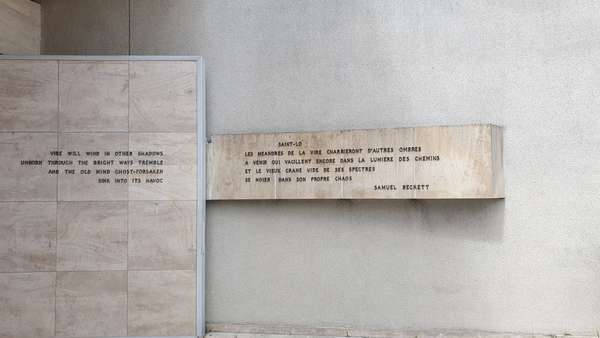
|
Les méandres de la Vire charrieront d’autres ombres à venir qui vacillent encore dans la lumière des chemins et le vieux crâne vidé de ses spectres se noiera dans son propre chaos |
Vire will wind in other shadows unborn through the bright ways tremble and the old mind ghost-forsaken sink into its havoc |
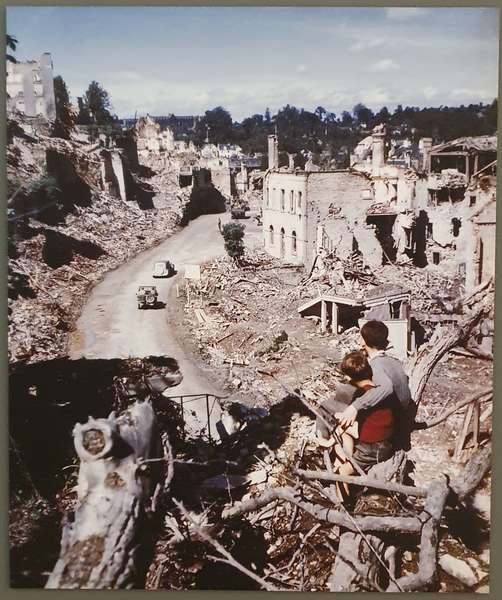
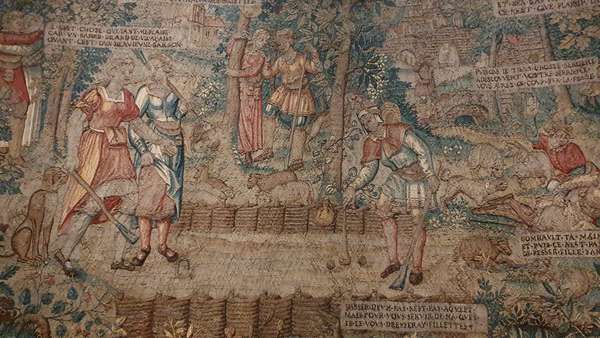
The museum has an impressive collection of art and extremely well presented displays of its wartime experiences, and of the post war reconstruction. The museum is well-known for its collection of 11 tapestries from the late 16th century which depict a love affair between a certain Gombault and Macée. From what I understood, this croquet-like game of "tiquet" played a significant role in their courtship.
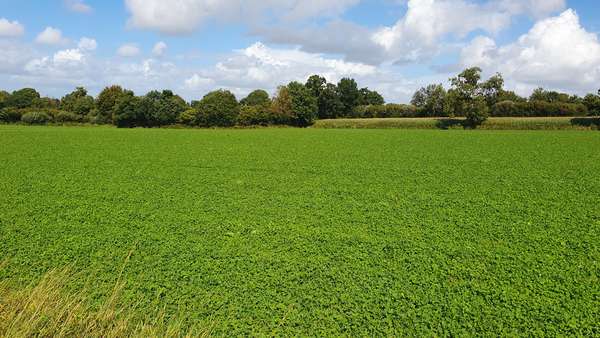
Now a steep climb up to St André de l'Épine. Up on the plateau the sun came out between showers and illuminated this field of "green manure".
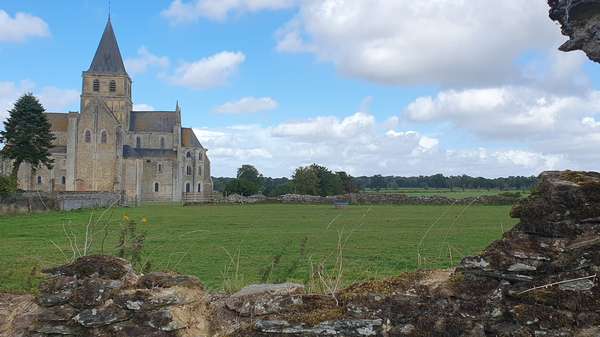
A final stop at the Abbaye Saint-Vigor at Cerisy la Forêt to check out their small sculpture garden.
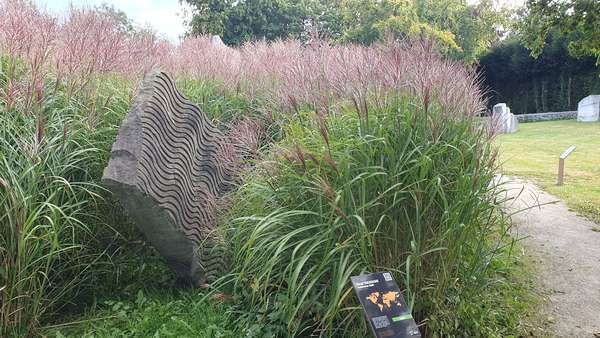
On the whole I found the work too densely collected into a small space, but I did particularly appreciate this piece by Kenji Takahashi sited in long grass.
Mainly downhill to my campsite where - - joy - - the sun stayed out for the evening.
After 4 nights of hospitality, the summer holidays were declared officially over. We cleaned and closed up the house, and all set off early.
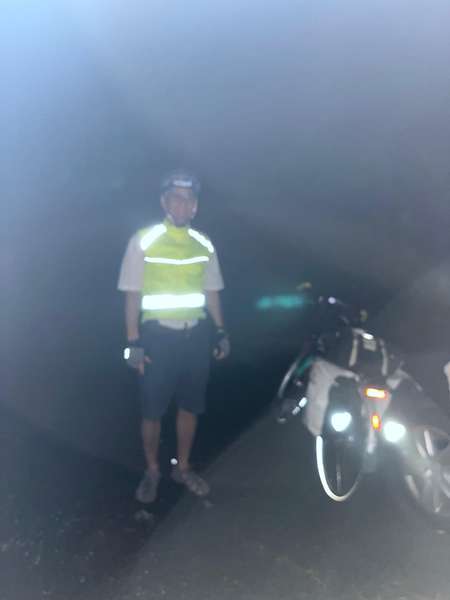
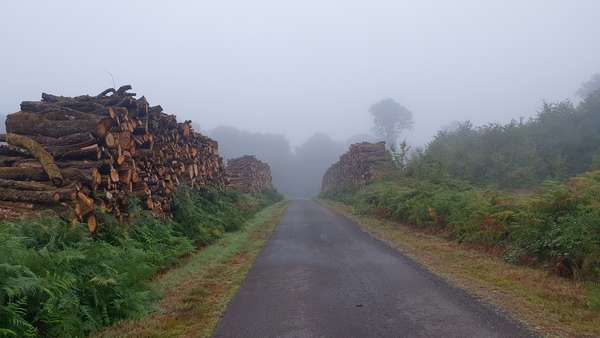
It was a misty and atmospheric woodland journey, retracing the forest paths back to Bagnoles de l'Orne.
Then north west from the Étoile d' Andaine to Dompierre on the Route Forestière du Vivier du Roy.
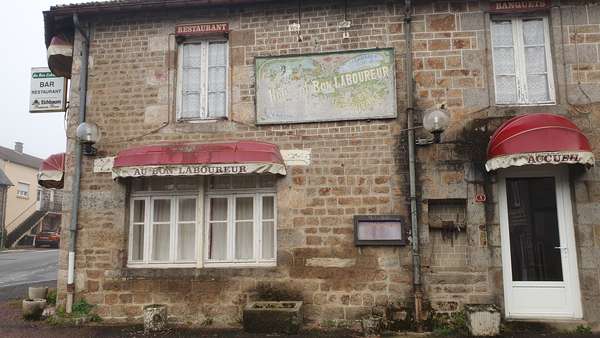
At Dompierre I was sorry to see the derelict Le Bon Laboreur (The Good Ploughman). It looked like it had once been an ideal watering hole.
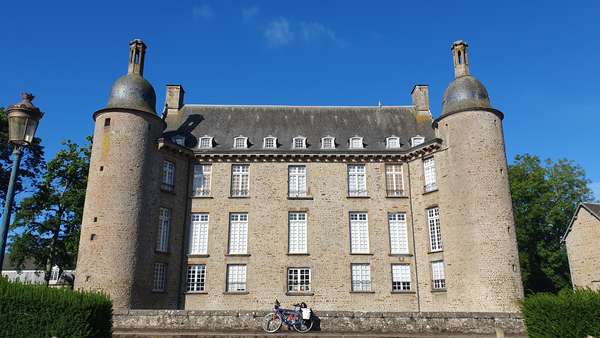
Then turning north on V43 past Le Chatellier and on to Flers. More than half the distance to Vire covered by the 10am teabreak. The sun came out and I soaked it up on the low walls of the Château.
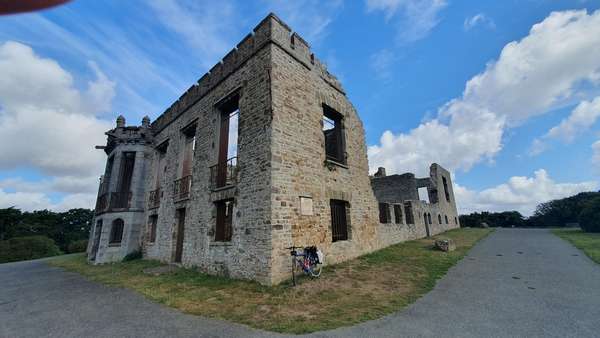
Continuing NW for a very steep climb up to Mont de Cerisy which doesn't have much of a view but, as well as rhododendrons in the spring, does have an impressive ruin. In 1870 Lord Burkingyoung had this mock-Tudor mansion built. During the war it was used as a radio base by the Luftwaffe and was destroyed by British bombs in 1944.
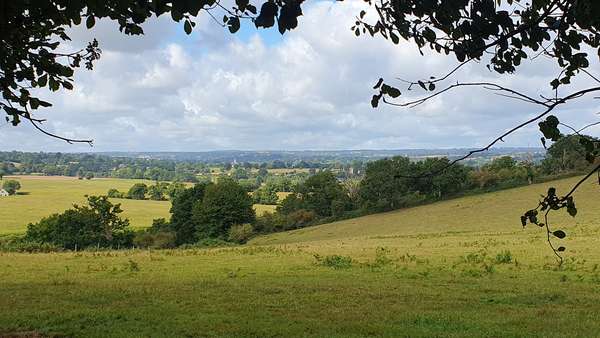
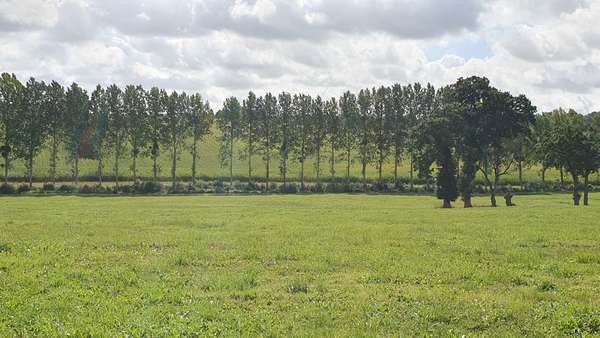
A technical descent on a mix of trails and rocky paths before rejoining undulating lanes heading west through Monsecret and Saint Quentin.
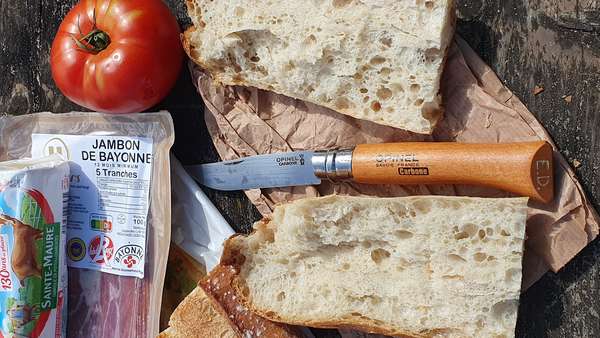
Here I used my new Opinel knife for a picnic. Not only had my friends thought to buy me a replacement for the one confiscated in June at Eurostar security, but they'd also engraved it, to help ensure I can hold on to this one for at least the 25 years I managed with the previous one.
After lunch, just a short push on to the municipal campsite of Vire, located to the south of the city. I had plenty of time to get the tent up before a sudden and prolonged downpour. Hopefully I'll be able to get out for supper without a soaking...


Made in the Cotswolds. Published by Éditions Système D Ltd.
Log in with your cycle.travel account:
| Password |
Or simply use your account on:
